Can an Ice Roller Help After Breakouts and Skin Treatments
When your skin is feeling irritated, inflamed, or sensitive after a breakout or a professional treatment, it’s natural to look for soothing solutions. Ice rollers have become a popular tool in skincare routines – but do they really help? Let’s break it down and simple.

What Happens to Skin After Breakouts and Professional Treatments
After a breakout, your skin can often become inflamed, red, and sensitive. Pores may be clogged, and the skin barrier can be irritated, leaving the area more vulnerable.
Professional treatments, such as chemical peels, microdermabrasion, laser therapy, or microneedling also temporarily weaken the skin’s barrier. This means your post-treatment skin can feel tight, appear red or blotchy, and may also be prone to swelling. This is why it is super important to take care and soothe your skin after.

Why Cooling Tools Are Often Used in Post-Treatment Care
Cooling tools are widely used in post-treatment skincare because they support the skin’s natural healing response after it has experienced stress, trauma, or irritation. Treatments such as breakouts, extractions, professional facials, peels, microneedling, and other skin procedures can leave the skin feeling inflamed, sensitive, and reactive. Applying cold to the skin helps regulate this response by calming overactive blood flow, reducing heat in the tissue, and soothing nerve endings, which can significantly improve comfort levels and visible redness. Cooling also supports barrier recovery by helping the skin settle back into a balanced state more quickly, making it an essential step in many post-treatment routines.
Cooling tools are commonly recommended after both breakouts and professional skin treatments because they help:
- Reduce inflammation and swelling
- Calm redness
- Provide a soothing sensation for sensitive skin
- Minimise discomfort after treatments
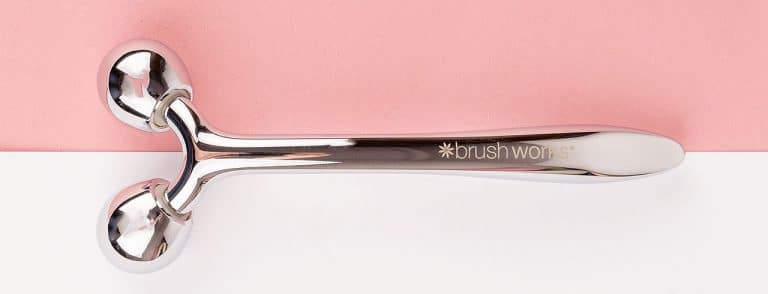
This is where ice rollers come into play as a convenient way to cool the skin, delivering controlled, refreshing relief exactly where the skin needs it most.

How an Ice Roller Affects Inflammation and Redness
Ice rollers use cold therapy to gently constrict blood vessels, which helps reduce inflammation and can reduce redness. The rolling motion also promotes lymphatic drainage, helping to reduce fluid retention and puffiness in the skin.
Beyond these benefits, the cooling sensation soothes areas that feel hot or irritated, providing instant relief and helping to calm stressed or sensitive skin. Regular use can support a more even, refreshed appearance while giving the skin a calming, comforting boost.
When an Ice Roller Can Help Calm Treated or Broken-Out Skin
Ice rollers can be highly effective when used correctly on skin that is irritated or recovering from treatment. Gentle cold application helps calm overactive nerve responses, reduce surface heat, and soothe inflammation without overstimulating the skin. This makes ice rolling particularly useful after extractions, mild breakouts, or treatments that leave the skin feeling warm, tight, or puffy. When the skin barrier is intact, controlled cooling can support recovery, improve comfort levels, and help the skin return to a more balanced state without adding pressure, friction, or chemical stress.
Ice rollers are most beneficial when used gently on skin that is:
- Slightly inflamed but intact (no open wounds or active bleeding)
- Experiencing mild swelling after extraction or treatment
- Sensitive or hot to the touch
They can provide instant relief, support skin recovery, and enhance comfort without adding harsh pressure or irritation.
Situations Where Using an Ice Roller May Make Skin Worse
While ice rollers are calming for many skin types, they are not suitable for every skin condition or recovery stage. In some cases, cold exposure can intensify sensitivity, slow the healing process, or worsen irritation particularly when the skin barrier is compromised or the skin is already highly reactive. Applying cold to damaged or fragile skin can interfere with the natural repair process and increase the risk of further inflammation or trauma rather than reducing it.
Ice rollers aren’t always suitable. Avoid using one if:
- You have open cuts, lesions, or severe acne cysts
- Your skin reacts strongly to cold (e.g., cold urticaria)
- You have highly sensitive post-procedure skin where cold could trigger damage or irritation
Always assess your skin’s condition carefully, and if in doubt, seek guidance from a skincare professional to ensure you’re supporting healing rather than disrupting it.

How Soon After Breakouts or Treatments You Can Use an Ice Roller
Timing is essential when using an ice roller on compromised or recently treated skin. While cold therapy can be highly soothing and supportive for recovery, using it too early – especially when the skin barrier is broken can interfere with healing and increase irritation. The key is to wait until the skin has stabilised. Ice rolling should support recovery, not shock or stress the skin.
Post-breakout and post-treatment skin should feel calm enough to tolerate cooling without stinging, burning, or intense sensitivity. When used at the right time, an ice roller can reduce lingering inflammation, soothe discomfort, and help the skin return to balance more quickly.
- Post-Breakout: Once inflammation is present but there is no open pus, broken skin, or exposed lesions.
- Post-Treatment: Many professionals recommend waiting at least a few hours after procedures like microneedling, chemical peels, or extractions – or until the skin feels stable, settled, and no longer raw to the touch.
How to Use an Ice Roller Safely on Sensitive Skin
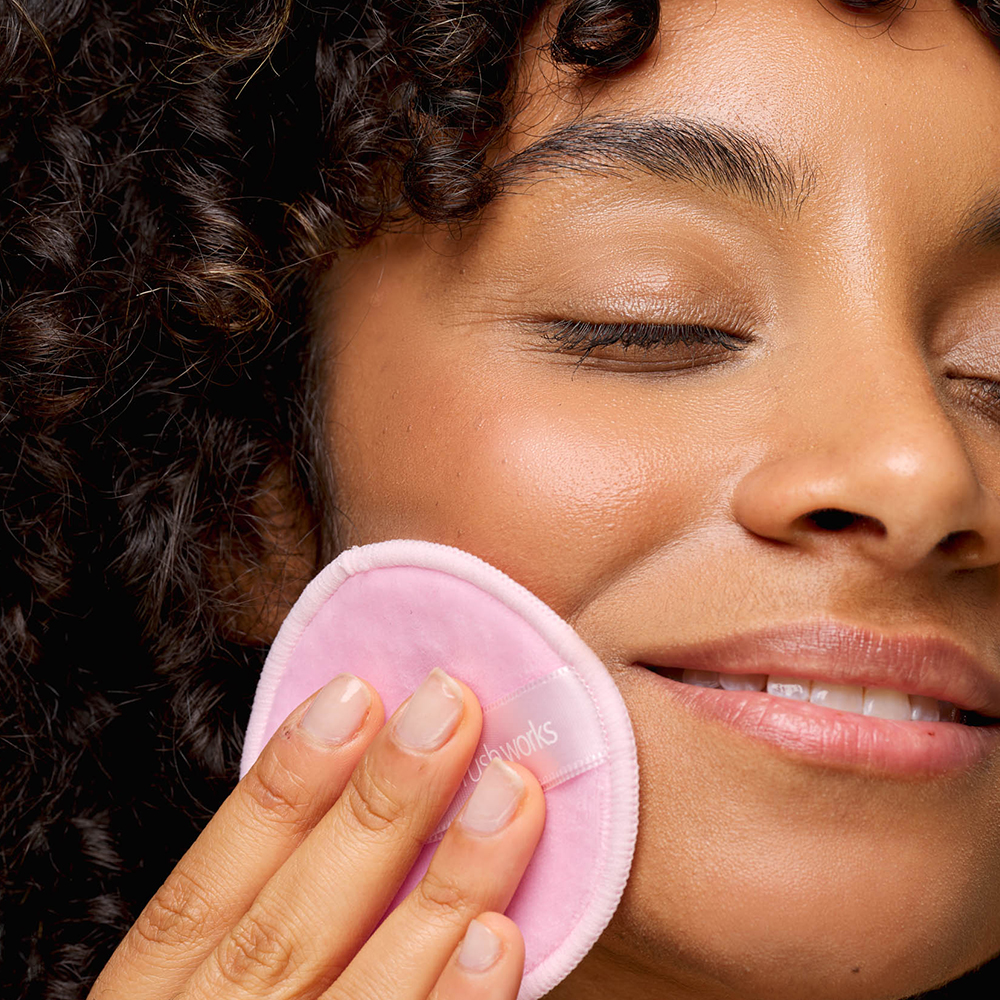
Using an ice roller correctly is essential for achieving calming results without causing further irritation. Sensitive or post-treatment skin needs controlled cooling, gentle pressure, and minimal friction. Overuse, excessive pressure, or rolling over compromised areas can worsen inflammation rather than reduce it. The goal is to soothe the skin, not stimulate it.
Follow these steps for safe, effective use:
- Chill the roller – Freeze for 1–2 hours, or keep it in the fridge between uses for consistent cooling without the extreme cold shock.
- Prep your skin – Start with a clean face. Apply a light layer of soothing serum or moisturiser if needed to create a protective barrier and reduce friction on sensitive areas.
- Gentle rolling – Roll outward and upward on the cheeks, forehead, jawline, and under eyes using very light pressure.
- Timing – 3–5 minutes per area is sufficient. Use once or twice daily depending on your skin’s tolerance and sensitivity levels.
- Aftercare – Pat the skin dry if needed, then apply a soothing moisturiser or post-treatment product to support barrier recovery and hydration.
Tip: Focus on areas that feel hot, tight, or swollen to calm inflammation, and roll along the cheekbones and jawline to help relieve tension while subtly sculpting and defining the face.
Hygiene and Cleaning Rules When Using an Ice Roller Post-Treatment
Maintaining hygiene of your skincare tools is essential to prevent infections, particularly when the skin barrier is compromised. Make sure to clean after every use.
- Wash the roller with soap and warm water after each use.
- Consider disinfecting with alcohol, especially after use on inflamed or post-treatment skin.
- Store in a clean, dry place to avoid bacteria growth.
Key Aftercare Tips to Support Skin Healing
- Keep skin moisturized with gentle, barrier-supporting products.
- Avoid harsh exfoliants or strong active ingredients immediately post-treatment.
- Protect from sun exposure—use SPF daily.
- Stay hydrated and maintain a healthy diet to support overall skin recovery.
When used correctly, ice rollers can be a soothing and helpful addition to your post-breakout or post-treatment skincare routine. Remember: gentle care and hygiene are key for safe, effective results.
If you’re looking to soothe your skin, reduce redness, and give your complexion a refreshing boost, an ice roller can be a simple but effective addition to your routine. Explore our full range of other skincare tools on our website, and find the perfect products to support your everyday glow!
FAQ
Can I share my ice roller?
It’s best not to. Sharing can transfer bacteria and increase the risk of breakouts or infection. Each person should have their own roller.
Do I have to keep my ice roller in the fridge or freezer?
Yes. Keeping it cold ensures it delivers the soothing, anti-inflammatory benefits. The freezer gives a stronger chill, while the fridge is gentler and suitable for sensitive skin.
Can I use it on active pimples or broken skin?
Avoid using it directly on open wounds, cuts, or severe acne cysts. You can use it gently around inflamed but intact areas to reduce swelling and redness.
How long should I roll my face for?
3–5 minutes per area is enough. You can do this once or twice a day, depending on your skin’s tolerance.
Can I use it every day?
Yes, as long as your skin tolerates it. Watch for overuse – if your skin becomes irritated, or sensitive, reduce frequency.
Can I use skincare products with my ice roller?
Yes! A light layer of serum or moisturiser can protect sensitive skin and help the roller glide smoothly.
Will it help with puffiness under my eyes?
Absolutely. Rolling gently along the under-eye area can reduce swelling and give a refreshed look.
Do I need to clean my ice roller?
Yes. Wipe the roller with rubbing alcohol or a mild cleanser after each use. Store in a clean and dry place to keep it hygienic.
Can it help after a facial or chemical peel?
Yes, but only once your skin feels stable and not raw. Wait a few hours or until post-treatment sensitivity has calmed.